How to Use a Customer Journey Map in a Business Context
Meet Phoebe Gray—a strategic marketing manager at a fast-growing ecommerce wellness brand that sells eco-friendly skincare products online. Phoebe’s job is all about understanding the customer journey, improving the customer experience, and ensuring that the business stays ahead in a competitive digital market. But like many ecommerce businesses, Phoebe’s team faced a familiar challenge: despite steady website traffic and active social media engagement, conversion rates were lower than expected. Customers were visiting the site, browsing, but not completing purchases. That’s when Phoebe turned to a powerful conversion optimisation tool: the customer journey map.
What Is a Customer Journey Map?
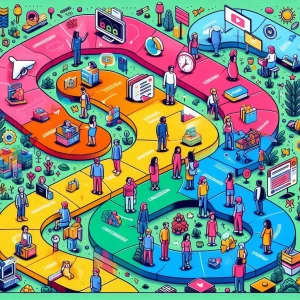
A customer journey map is a visual representation of each step a customer takes when interacting with your brand, from first discovery to final purchase and beyond. This tool helps businesses understand the user journey, uncover friction points, and design better touchpoints to improve conversion rates and customer satisfaction. For Phoebe, this wasn’t just a marketing trend—it was a vital part of her ecommerce strategy.
Step 1: Defining the Purpose
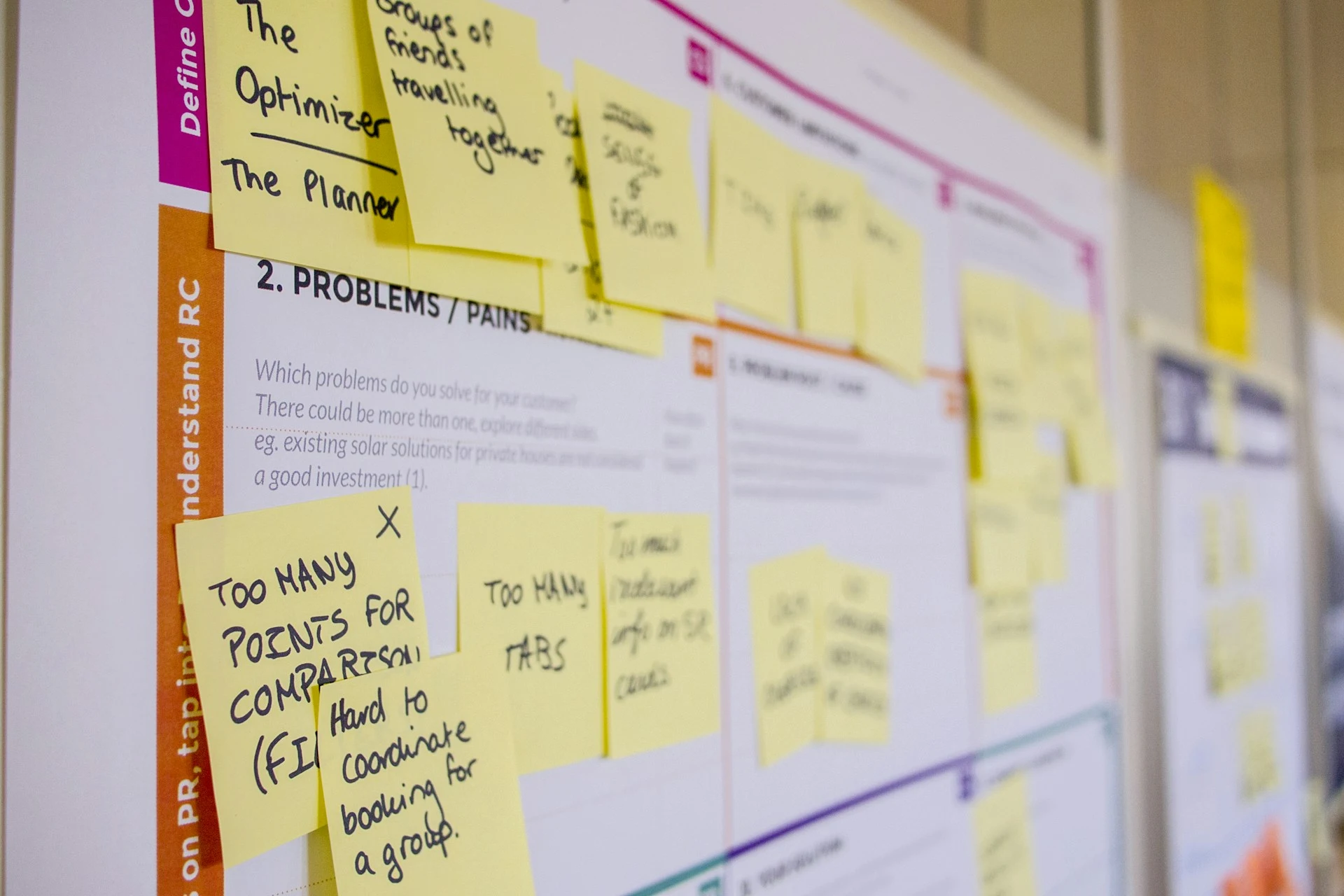
Phoebe set a clear goal for the journey map: increase online sales by identifying weak points and enhancing the digital customer experience. She focused on her target audience—eco-conscious women aged 25–40—who often browse on mobile devices in the evening. Using data from Google Analytics, email insights, and customer support logs, she created a persona: Emma, a 32-year-old shopper looking for clean beauty products, but overwhelmed by too many options and unclear product benefits.
Step 2: Mapping the Customer Journey
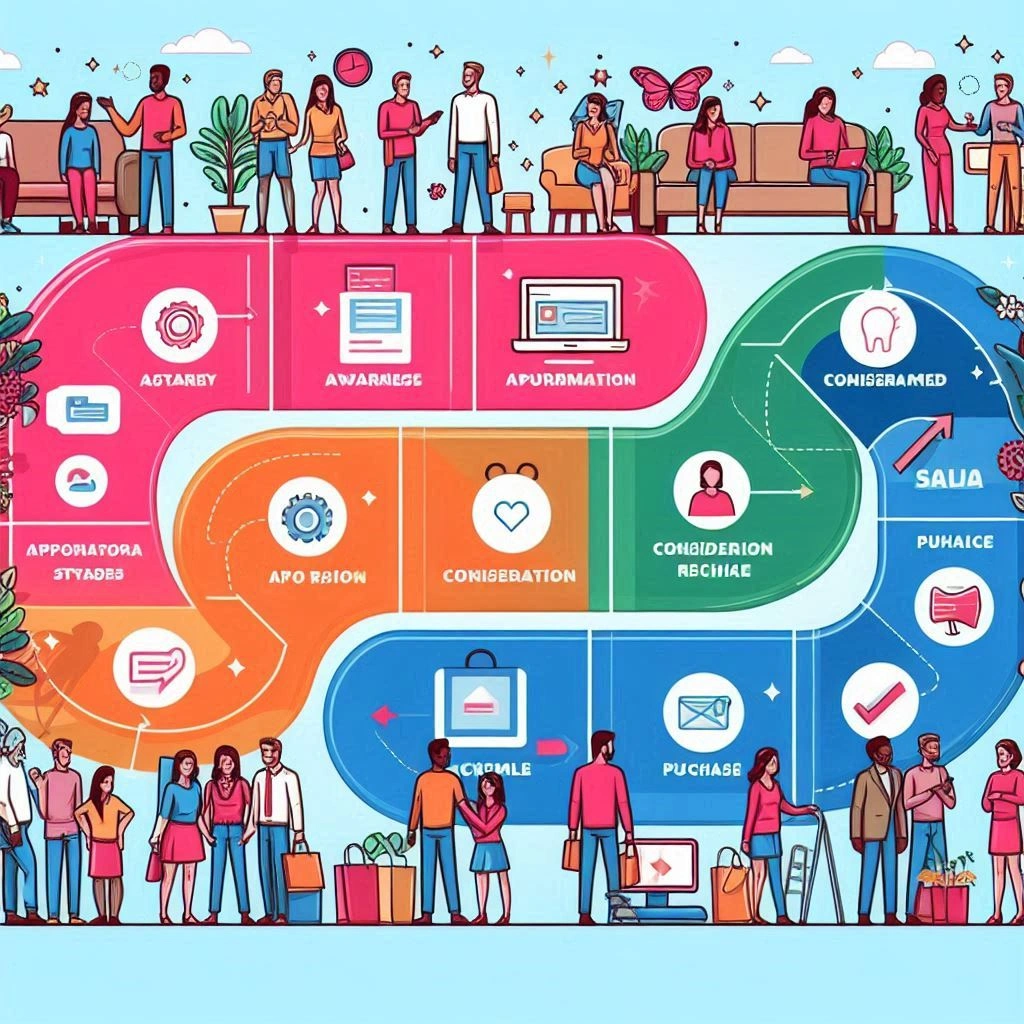
Phoebe outlined Emma’s journey across five key stages:
Awareness – Emma sees a sponsored Instagram ad.
Consideration – She visits the ecommerce website to learn about ingredients.
Decision – Emma adds a product to her cart but exits before checkout.
Purchase – Two days later, she returns after an email reminder and completes her order.
Retention – She receives a thank-you email but does not engage with future offers.
The customer journey mapping revealed two critical issues:
Cart abandonment is due to a complicated checkout process.
Lack of personalised post-purchase engagement.
Step 3: Implementing the Solution
Using the insights from the journey map, Phoebe simplified the checkout process by reducing steps and improving mobile speed. She also created automated email sequences with personalised recommendations to improve customer retention. These changes transformed the overall customer experience and created more seamless pathways to purchase.
Results and Takeaways
After three months, Phoebe’s business saw:
A 22% increase in completed transactions.
A 15% boost in repeat purchases.
By focusing on the customer journey, Phoebe aligned her marketing and sales efforts with what her audience really needed, turning insights into results.
Final Thought:
If you’re not using a customer journey map, you’re missing out on key data that could improve conversion optimisation, customer loyalty, and overall growth.
Disclaimer: This example is purely fictional and provided for illustrative purposes only.